
How Gemstone Examination Is Practiced
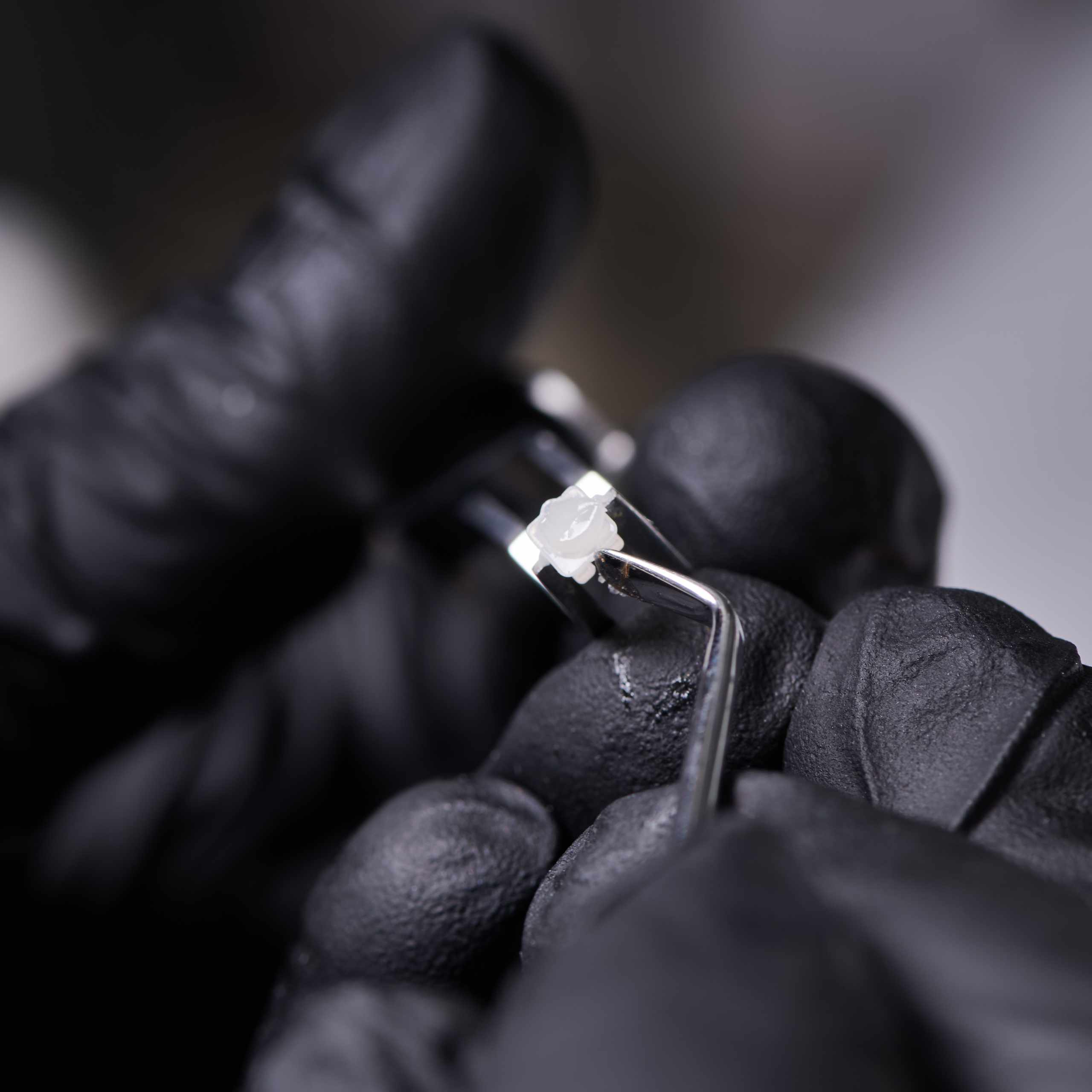
Evidence Before Conclusions
The course approach begins with careful observation rather than a quick guess based on color or appearance.
Learners examine transparency, luster, facets, surface condition, inclusions, and optical behavior in a consistent order. Notes and basic instrument readings are then compared with reference information while keeping identification limits clear.
Practice Built Around Real Specimens
Loupe work, controlled lighting, specimen rotation, and comparison exercises help develop steadier observation habits without rushing toward an identification.
Simple minerals, glass, synthetic samples, and imitation stones can all be useful for learning how surface marks, reflections, fractures, bubbles, zoning, and inclusions differ.
Principles Behind The Course
Each practice task is designed to make observations more precise, tool use more controlled, and conclusions better supported by several properties.
Observe Before Interpreting
Describe visible features before
consulting a chart or naming a possible material.
Compare Several Properties
Use luster, transparency, surface clues, and instrument results together rather than trusting one match.
Record Testing Limits
Note when a mounting, treatment, unclear reading, or limited tool prevents a dependable conclusion.
Study The Details Between Sessions
The course journal expands on loupe focus, lighting angles, inclusion checks, surface wear, synthetics, imitations, and the point where laboratory examination becomes necessary.

What Learners Notice In Practice
Small improvements often appear as steadier loupe focus, clearer observation notes, fewer rushed assumptions, and better recognition of when more evidence is needed.

Laurel Miller
I stopped trying to identify stones from color alone. Following the same inspection order helped me notice facet wear, reflections, and internal features clearly.

Randy Wallace
The comparison exercises made my notes more precise. I now separate what I can actually observe from what still needs another test or a more advanced instrument.