
Examine Gemstones With Evidence
Practice controlled observation, stable loupe work, careful lighting, and property comparison before drawing conclusions about an unfamiliar stone.
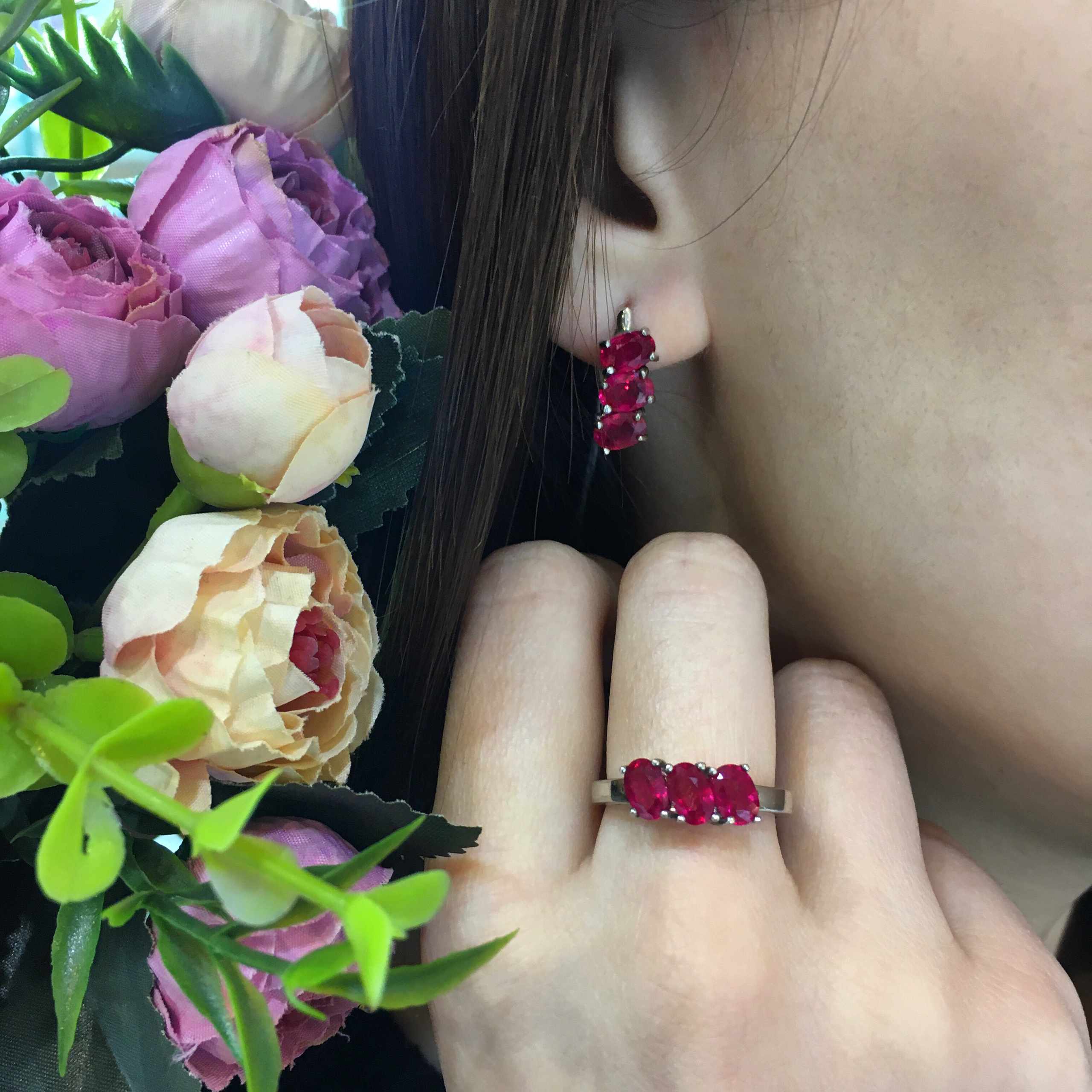
Observation Before Identification
Gemstone identification is not a quick color match. The course introduces a repeatable examination order covering transparency, luster, surface condition, facet wear, internal features, and basic optical behavior.
Each clue is recorded as evidence, compared with reference information, and considered alongside the limits of beginner-level tools.
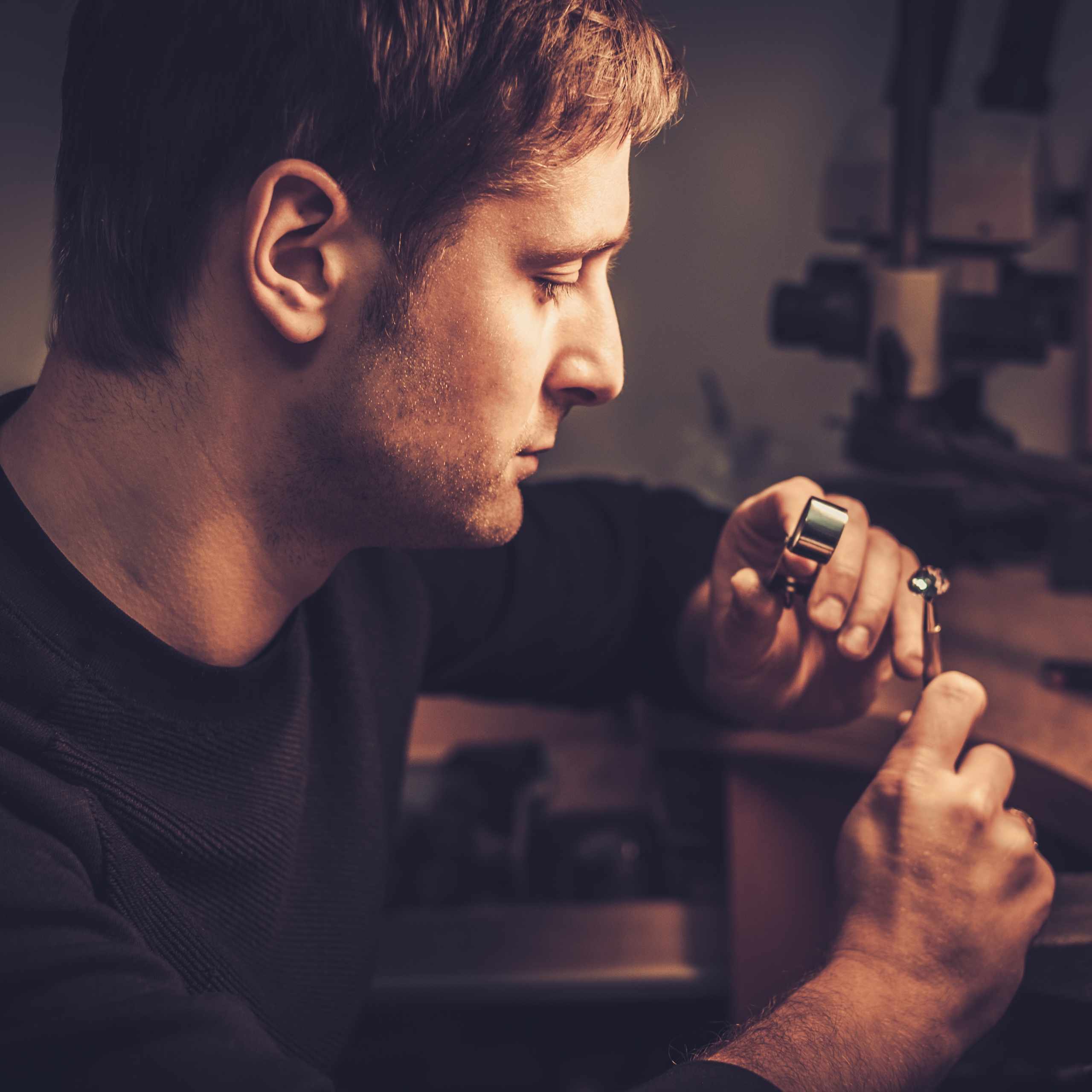
Core Examination Skills
Build practical habits for inspecting loose and mounted stones, describing visible properties, comparing specimens, and recognizing when further testing is necessary.
Stable Loupe Focus
Control working distance, specimen position, and eye placement to keep a clear view through a 10x loupe.
Lighting From Angles
Use diffused, directional, and transmitted light to reveal luster, zoning, reflections, and internal features.
Surface Checks
Inspect polish, abrasion, chips, facet junctions, and surface-reaching features without confusing them with residue.
Inclusion Observation
Rotate the stone slowly to separate dust, glare, fractures, bubbles, and genuine internal characteristics.
Property Comparison
Compare transparency, luster, refractive behavior, and other clues without treating one match as final proof.
Clear Evidence Records
Separate direct observations, instrument readings, and possible interpretations in concise examination notes.
A More Reliable Examination Sequence
Begin with a clean specimen, neutral background, and controlled light. Describe what is visible before consulting a chart or forming an identification.
Inspect the stone from several directions, then compare observable properties and rule out unlikely materials one clue at a time.
Record uncertain findings clearly and note when a mounting, treatment, or testing limit prevents a dependable conclusion.
Observe Before Consulting References
Compare Several Properties Together
Record Limits And Uncertain Clues
Tools Used With Care
Work with a loupe, tweezers, controlled lighting, reference charts, and introductory instruments while learning what each tool can and cannot establish.